The 9 Best Ceiling Fans
(That We'd Actually Buy)
We know ceiling fans from the spec sheet to the warranty claim — motor types, CFM truth vs. marketing fluff, what separates a 10-year fan from a 2-year one. These are the picks that hold up under scrutiny, from the budget workhorse to the "treat yourself" splurge. Every pick earns its spot. No pay-to-play, no filler.
How We Pick (and What We Ignore)
Most "best ceiling fans" lists are written by someone who googled "best ceiling fans" and rearranged Amazon's top sellers. We pick differently. Every fan here is evaluated on published airflow specs, real-world noise reputation, build quality based on materials and construction, warranty reputation based on actual claims, and long-term reliability from years of industry data and customer feedback.
We also ignore some things other sites obsess over: star ratings on Amazon (easily manipulated), blade count (mostly cosmetic), and "energy savings" claims without context. A ceiling fan uses about $5–15 of electricity per year — the real savings come from sizing it right and running your AC less.
9 Fans. 0 Filler.
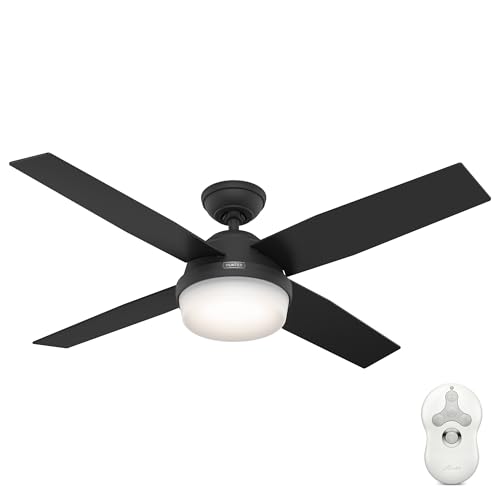
Hunter Dempsey
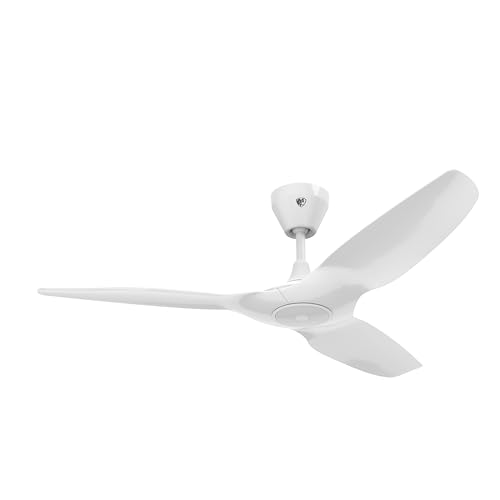
Big Ass Fans Haiku L
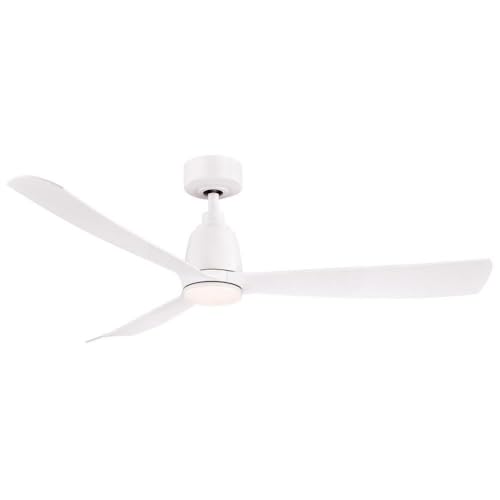
Fanimation Kute
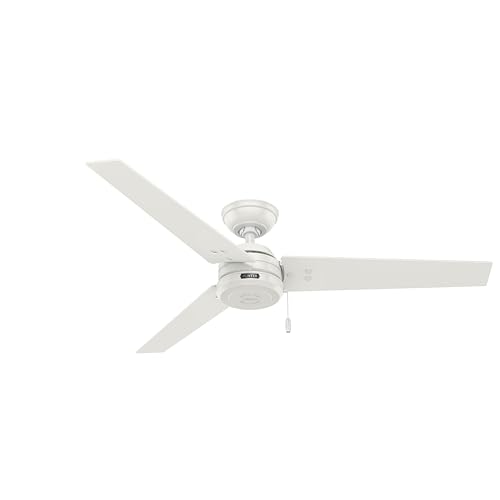
Hunter Cassius
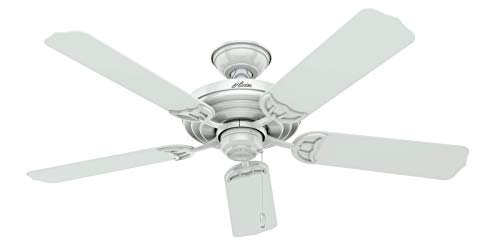
Hunter Sea Air
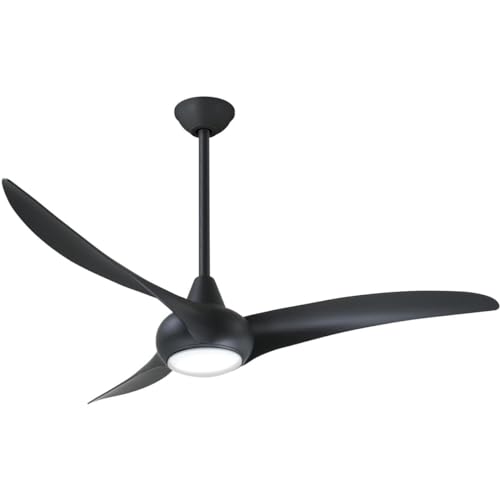
Minka-Aire Light Wave
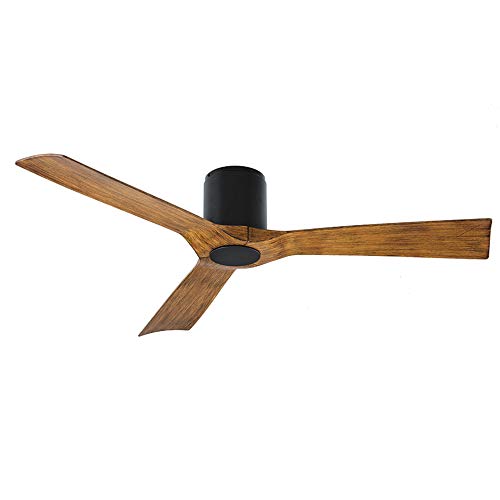
Modern Forms Aviator
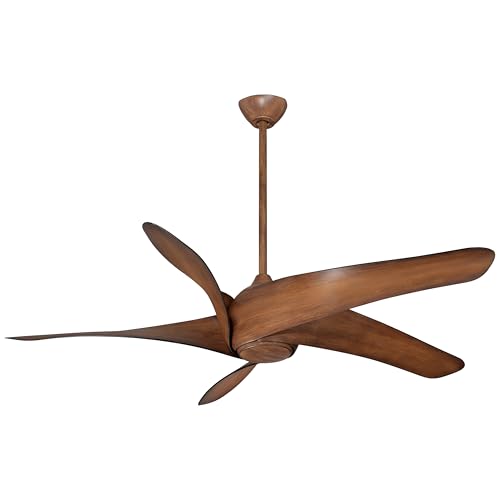
Minka-Aire Artemis XL5
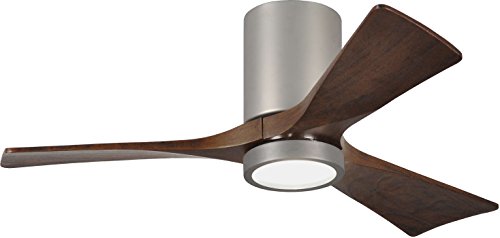
Matthews Irene 42" LED
What Actually Matters When Buying a Ceiling Fan
You could spend hours comparing spec sheets, or you could focus on the four things that actually separate a great fan from a mediocre one.
The #1 mistake is buying too small. A 44" fan in a 350 sq ft living room will run on high all day — noisy, inefficient, and still not enough airflow. Match blade span to room square footage. When in doubt, go bigger. Our sizing guide has the exact chart.
Sizing Guide →You'll live with this fan on medium 90% of the time. A fan that's 'quiet on low' and 'tolerable on high' tells you nothing about real-world use. Look for sones ratings under 2.0 for bedrooms, under 2.5 for living spaces. DC motors win here, but some AC fans (like the Dempsey) surprise.
Dry-rated = indoor only. Damp-rated = covered patios, kitchens, bathrooms. Wet-rated = direct rain exposure. Installing a dry-rated fan on a patio isn't just a warranty voider — it's a safety issue. Motors corrode, bearings seize, and blades warp within a year.
A $120 fan with the right size and a decent motor will outperform a $400 fan that's too small for the room. Budget matters less than sizing. That said, DC motors, smart features, and premium build quality do cost more — and the difference is real, especially over 10+ years of daily use.
Best Ceiling Fans FAQ
This guide is built on deep spec knowledge from years working in the ceiling fan industry — motor construction, CFM accuracy, what actually drives returns. We haven't personally used every fan on this list, but we know how to read specs and manufacturer reputation better than most. Not reshuffled Amazon listings.
Product links to Amazon use our affiliate tag. This helps keep the site running at no extra cost to you. We recommend the right fan regardless of commission — some of our top picks have lower affiliate rates than fans we didn't include. That's the deal.